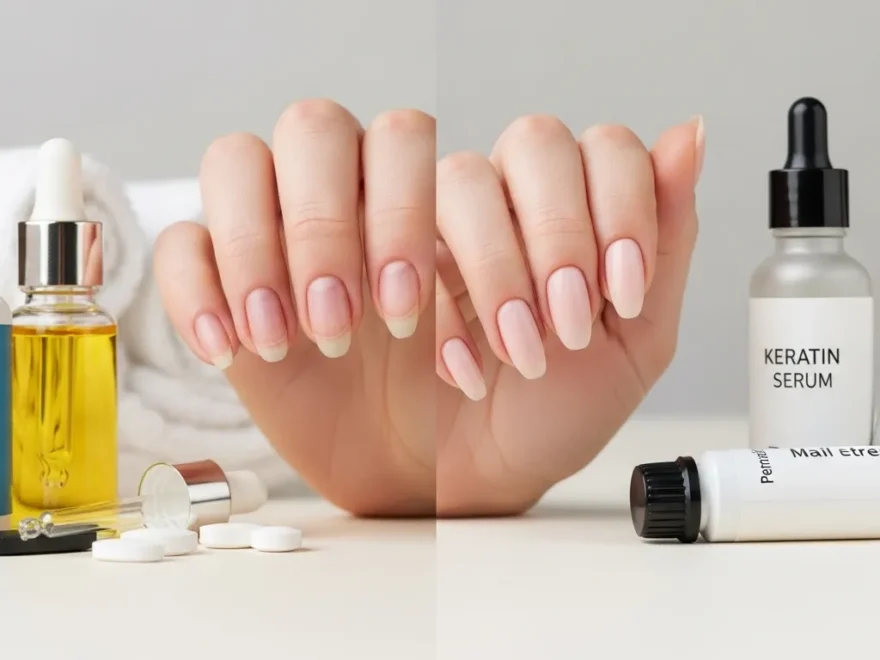
Thin nails are one of the most frustrating nail problems to deal with because they seem to break at exactly the wrong moment, peel for no obvious reason, and refuse to grow past a certain length no matter what you try. Most people assume thin nails are simply a genetic fact they have to live with. That assumption is almost never true. Thin, weak nails are in the vast majority of cases a sign that the nail is not getting what it needs and once you give it what it actually needs, the transformation can be genuinely remarkable. If you’re learning how to get rid of nail ridges, consistent nail care, hydration, and gentle buffing techniques can help smooth the surface and improve the overall appearance of your nails over time.
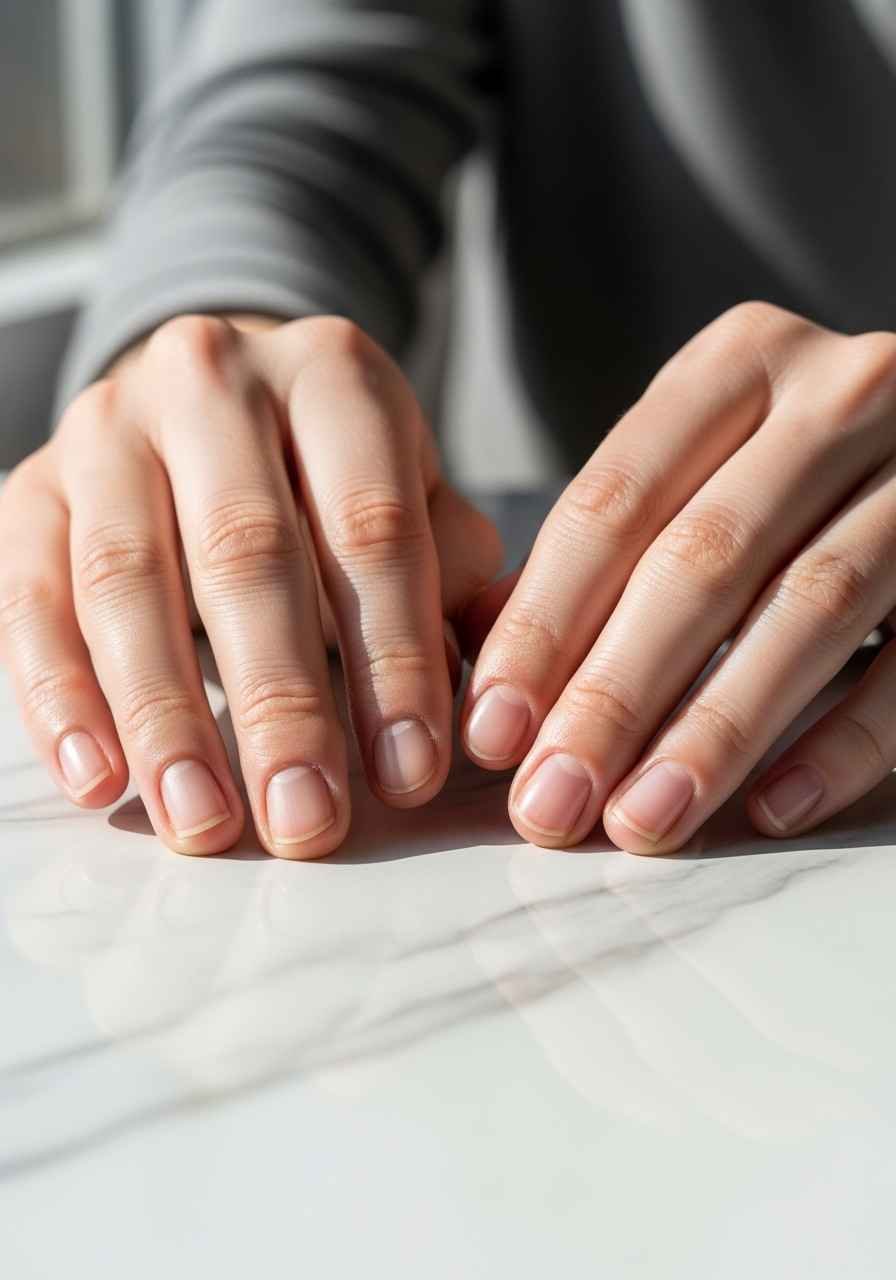
Here are the most effective and lesser-known hacks for healing thin nails and building the strong, long nails you have been trying to grow.
Understand Why Your Nails Are Thin Before You Try to Fix Them
Most nail treatments fail not because they are ineffective but because they are applied to a problem that has not been correctly identified. Thin nails have several different causes and knowing which one applies to your situation is what makes the difference between a treatment that works and one that produces no results at all.
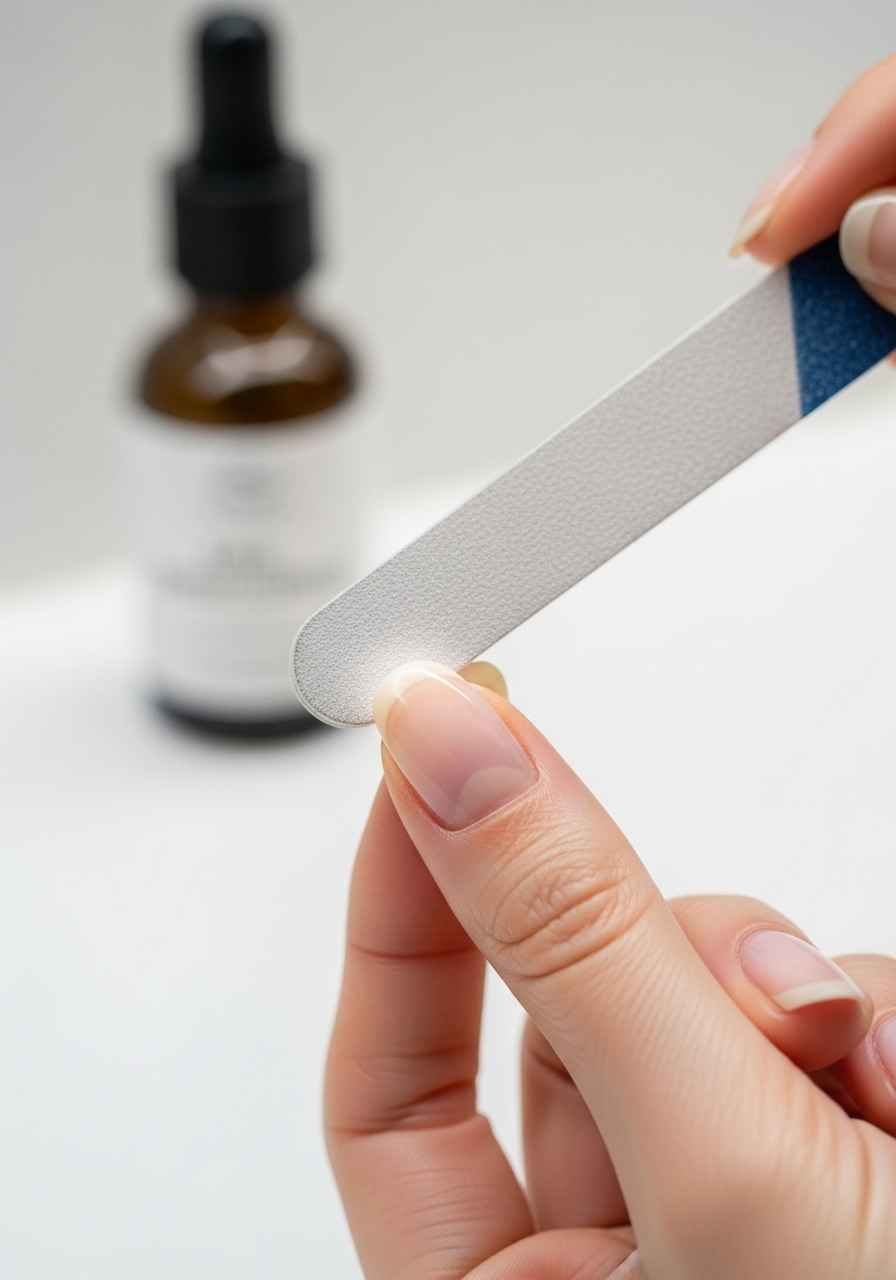
Over-filing is one of the most common and most overlooked causes of thin nails. Filing the surface of the nail to remove ridges or buff away shine repeatedly removes layers of the nail plate and leaves the nail significantly thinner than it was before. If you regularly buff your nails before applying polish, this habit alone may be the primary reason your nails feel thin and fragile.
Gel and acrylic removal done incorrectly is another major cause of thin nails. Peeling off gel polish or acrylic enhancements instead of properly soaking them off removes the top layers of the natural nail along with the product. This kind of mechanical damage thins the nail plate significantly and the recovery time can be several months of consistent care.
Nutritional deficiencies, particularly in biotin, iron, zinc, and protein, directly affect nail thickness and strength. The nail plate is made almost entirely of a protein called keratin and without adequate protein and supporting nutrients in the diet, the body cannot produce a strong, thick nail plate regardless of what products are applied externally.
Frequent exposure to water, harsh soaps, cleaning products, and acetone-based nail polish removers all strip the nail of its natural moisture and lipid content, leaving it dry, brittle, and prone to peeling. Understanding which of these factors applies to your situation allows you to target your treatment correctly and get results far faster than taking a general approach.
The Secret Hacks That Actually Heal Thin Nails
These are the approaches that go beyond the standard advice and deliver real results on nails that have not responded to conventional treatments.
The overnight oil wrap is one of the most effective treatments available for severely thin and damaged nails. Apply a generous amount of a nourishing oil blend, jojoba, castor, and vitamin E mixed together work beautifully, to each nail and cuticle. Then wrap each fingertip loosely in a small piece of cling film or put on a pair of cotton gloves and sleep with the treatment on overnight. The occlusion created by the wrap forces the oil to penetrate deeply into the nail plate rather than evaporating from the surface. Done three to four times per week, this treatment visibly thickens and strengthens thin nails within two to three weeks.

Keeping nails short while they heal is a hack that most people resist but one that makes healing dramatically faster. Long thin nails flex and bend with every movement of the hand and this repeated flexing causes micro-tears and peeling in an already compromised nail plate. Keeping nails trimmed short removes the leverage that causes this damage and allows the nail to grow out from the matrix in a stronger, more supported way. Within two to three months of growing short nails with consistent treatment, the new growth is visibly thicker and stronger than the compromised nail it replaced.
Using a glass nail file instead of an emery board is a simple switch that makes a meaningful difference in nail health over time. Glass files have a very fine etched surface that seals the nail edge as it files rather than tearing it. Torn nail edges are where peeling and splitting begin and eliminating that cause removes one of the most consistent sources of ongoing nail damage for people with thin nails.
A biotin supplement taken consistently over several months is one of the most well-documented nutritional approaches to improving nail thickness. Studies show that people with thin, brittle nails who take biotin regularly experience a measurable increase in nail plate thickness over time. Results take patience, typically three to six months of consistent daily supplementation, but the improvement is genuine and progressive.
Build a Daily Routine That Protects Thin Nails While They Heal
Treatment alone is not enough if the daily habits that caused the thinning in the first place are still happening. Building a protective daily routine alongside the healing treatments is what produces lasting results rather than temporary improvement.
Wear rubber gloves for every dish washing session, every cleaning task, and any activity involving prolonged contact with water or cleaning products. Water causes the nail to swell and then contract as it dries and this repeated expansion and contraction weakens thin nails over time. Cleaning products strip the nail of its natural oils and dry it out significantly with every exposure. Gloves eliminate both of these damage sources completely.
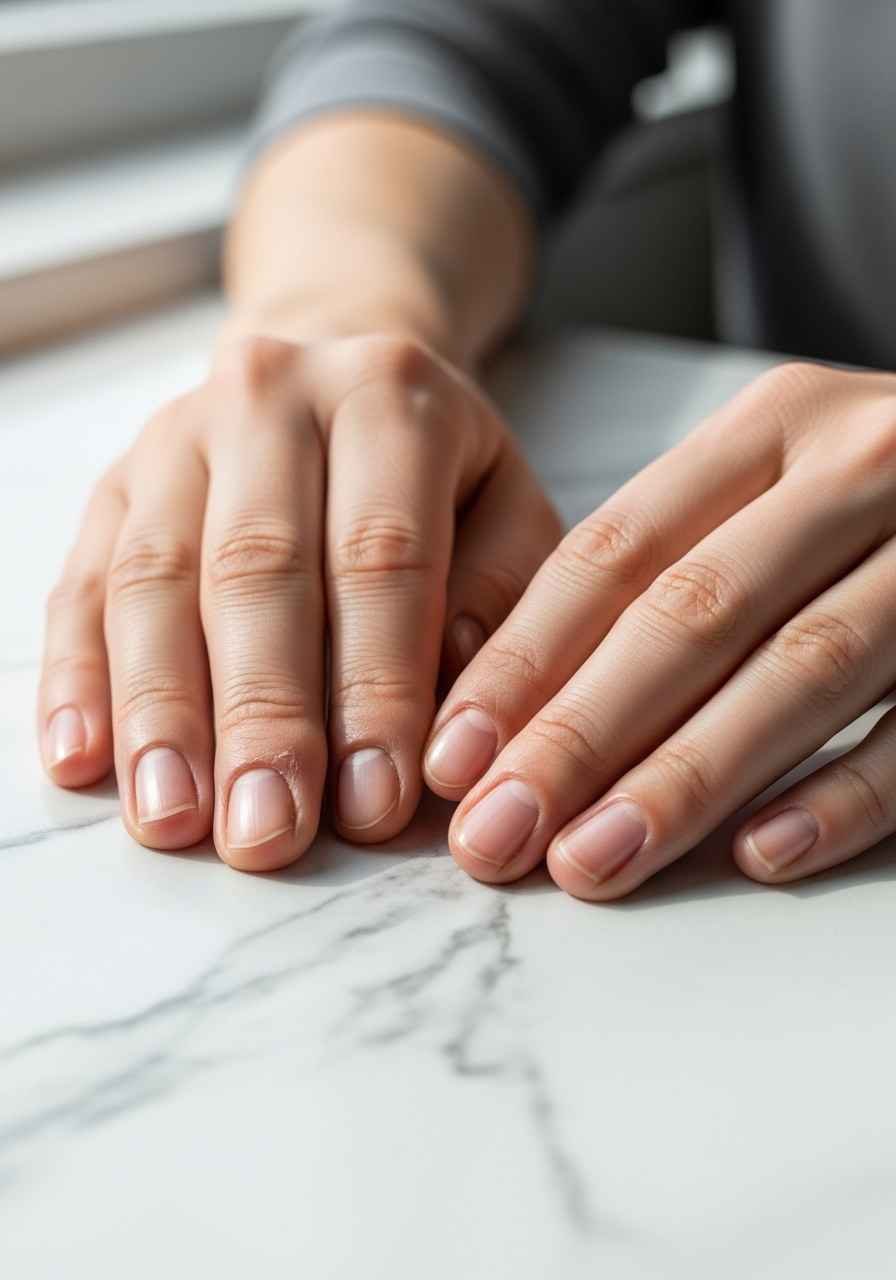
Switch from acetone nail polish remover to an acetone-free version for everyday polish removal. Acetone dissolves not just the polish but also the natural lipids and moisture within the nail plate, leaving it significantly drier and more brittle after every removal session. Acetone-free removers are gentler and while they take slightly longer to remove polish, the reduction in dryness and nail damage over time is very noticeable on thin nails.
Apply cuticle oil every single evening without exception. Consistency is the factor that determines whether cuticle oil works or does not. A single application does very little. Thirty consecutive evenings of application produces a cumulative moisturizing and nourishing effect that visibly changes the condition and thickness of the nail. Keep the bottle on your nightstand so the habit becomes automatic rather than something you have to remember.
Frequently Asked Questions
How long does it take to heal thin nails? The timeline depends on how damaged the nails are and how consistently the healing routine is followed. Mild thinning from over-filing or product damage typically responds within four to six weeks of consistent treatment. More severe thinning that involves the full nail plate requires a full nail growth cycle which takes approximately three to six months. The nail grows from the matrix at the base of the finger and works its way to the tip so the new, healthier growth becomes progressively visible over time rather than appearing all at once.
Does nail hardener help thin nails? A good nail hardener used correctly can be helpful in the early stages of healing thin nails because it adds a protective layer to the surface of the nail that reduces bending and breakage while the natural nail strengthens underneath. However nail hardeners should not be used continuously for extended periods because formulas containing formaldehyde can make nails overly rigid and cause them to crack rather than flex naturally. Use it as a protective measure during the healing phase rather than as a permanent solution.
What foods help strengthen thin nails? Foods rich in biotin such as eggs, almonds, sunflower seeds, and sweet potatoes support nail thickness from the inside. Foods high in protein including chicken, fish, lentils, and Greek yogurt provide the keratin building blocks the nail matrix needs to produce a thicker nail plate. Iron-rich foods like lean red meat, spinach, and lentils address the nutritional deficiency that is one of the most common underlying causes of thin and brittle nails. Omega-3 fatty acids from salmon, walnuts, and flaxseed also contribute to nail flexibility and moisture retention.
Can thin nails become thick again naturally? Yes, in most cases thin nails can recover and become noticeably thicker with consistent care and the right approach. The nail plate that is currently thin cannot change but as new nail grows from the matrix under improved conditions, the new growth comes through thicker and stronger. This is why patience is essential. The improvements are progressive and become more visible as the old, damaged nail grows out and the new, healthier nail takes its place. Most people see meaningful improvement within two to three months of consistent daily care.
Start Healing Your Thin Nails Tonight
Thin nails are not a permanent condition and they are not something you simply have to accept. With the right combination of targeted treatments, protective daily habits, and a little nutritional support, nails that have been thin and fragile for years can genuinely transform into something stronger and more beautiful than you thought was possible for your hands. Start with the overnight oil treatment tonight, switch to a glass file, put the rubber gloves by the sink, and stay consistent. Save this guide and come back to it every time you need a reminder of why the routine is worth keeping up.