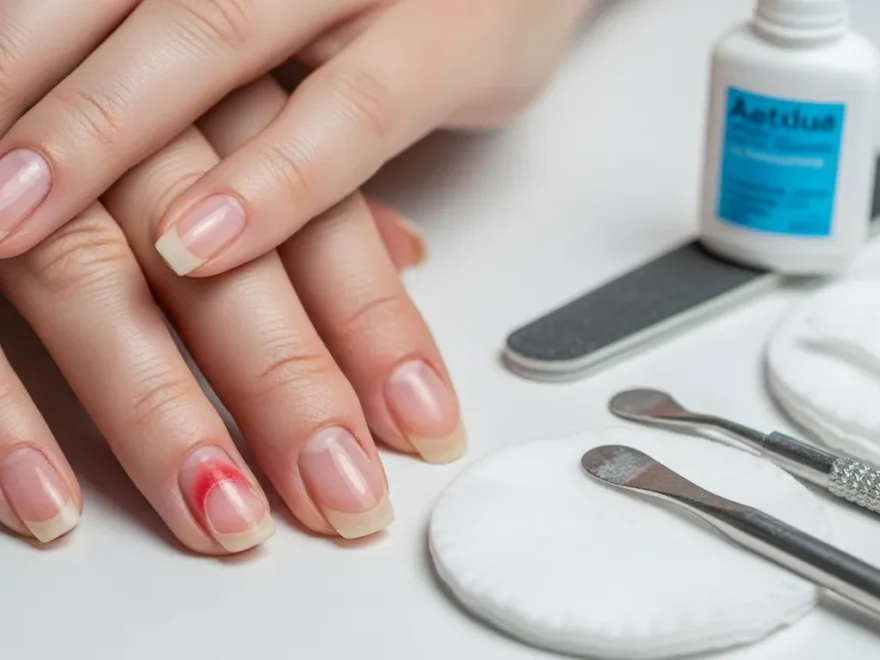
Acrylic nails can look stunning, but when something goes wrong during application or removal, your natural nails can end up feeling sore, sensitive, and even painful. This usually happens because acrylics affect the natural nail plate and surrounding skin in ways that are easy to underestimate. If you’re learning how to heal thin nails, focusing on strengthening routines, proper hydration, and avoiding harsh nail treatments can help restore nail thickness and improve overall nail health over time.
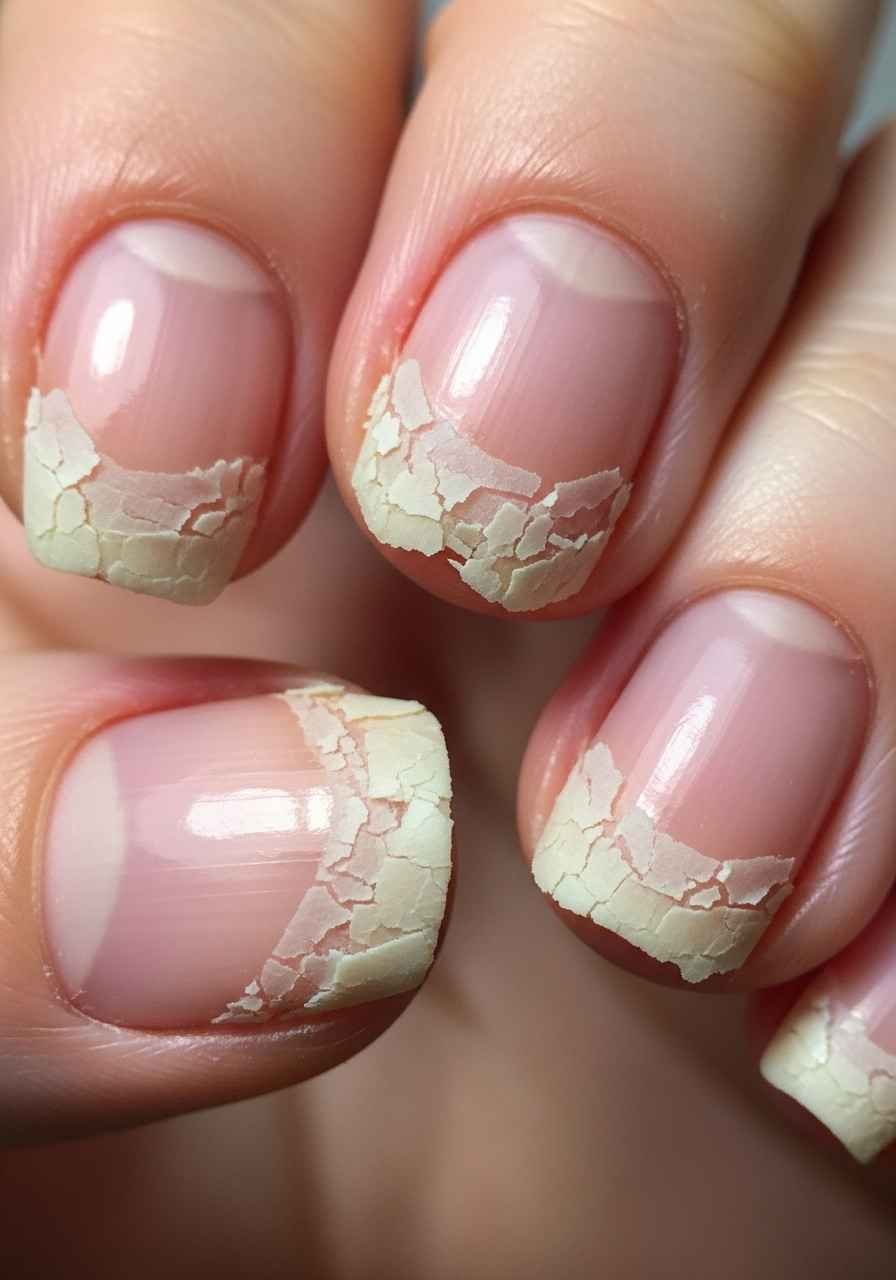
Let’s understand why this pain happens and what is actually going on underneath.
Over-Filing Damage to the Nail Plate
One of the most common reasons for pain is over-filing.
During acrylic application or removal:
- Nail technicians may file the natural nail too aggressively
- The protective top layers of the nail get thinner
- Nails become weak and sensitive to touch
When the nail plate is thinned out, even normal pressure can feel painful.
Improper Acrylic Removal
Removing acrylic nails the wrong way is a major cause of discomfort.
Common mistakes include:
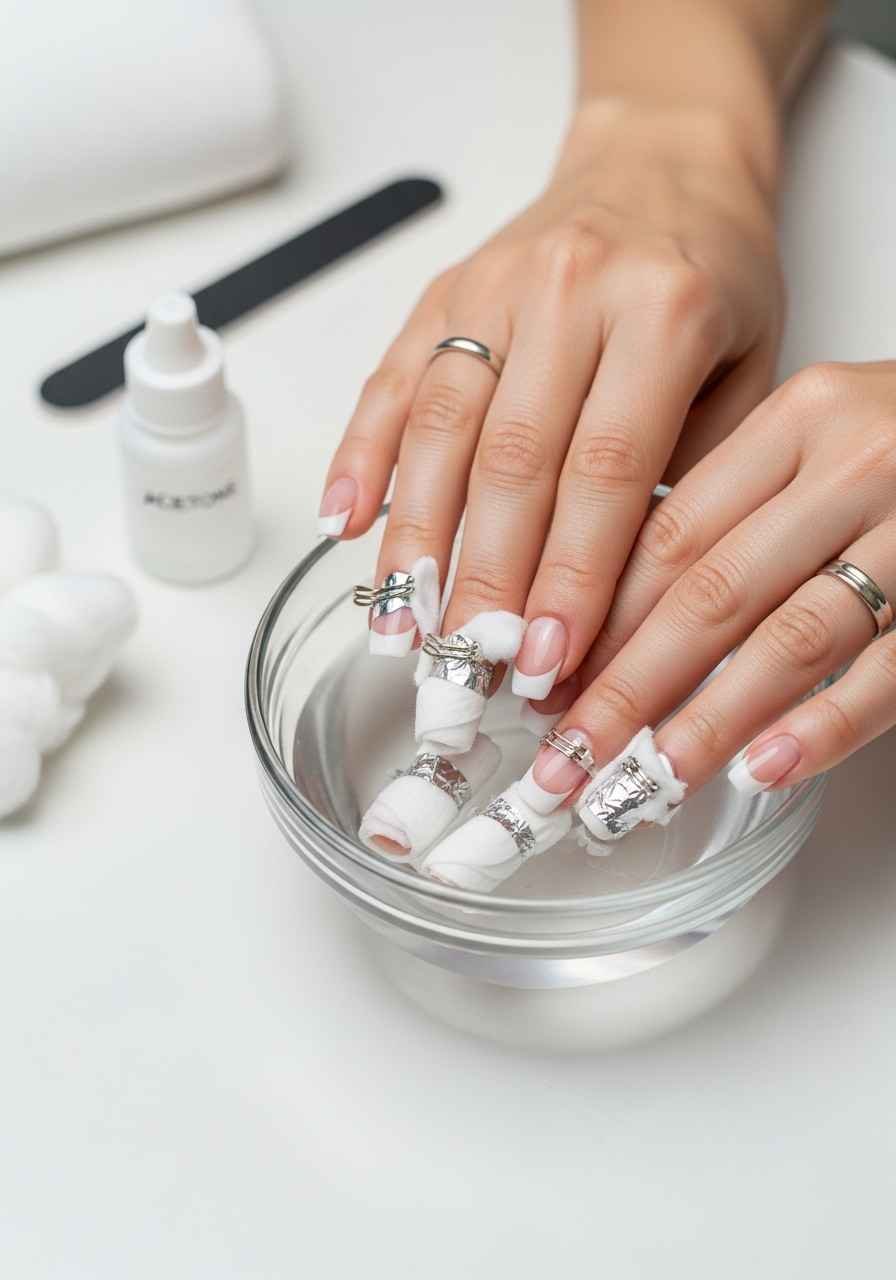
- Peeling or ripping off acrylics instead of soaking them
- Forcing lifted edges off the nail
- Not giving enough time for acetone soaking
This can pull off layers of the natural nail, exposing sensitive skin underneath.
Nail Bed Trauma and Pressure
Acrylic nails sit tightly on your natural nail, and sometimes the pressure can cause issues.
This includes:
- Tight or poorly fitted acrylic tips
- Excessive glue application
- Pressure on the nail bed during wear
Over time, this can lead to soreness and tenderness.
Inflammation Around Cuticles
Your cuticles and surrounding skin are very sensitive.
Pain can happen when:
- Cuticles are cut too aggressively
- Chemicals irritate the skin during application
- Dust and debris are not cleaned properly
This can lead to redness, swelling, and discomfort.
Weakening of Natural Nails
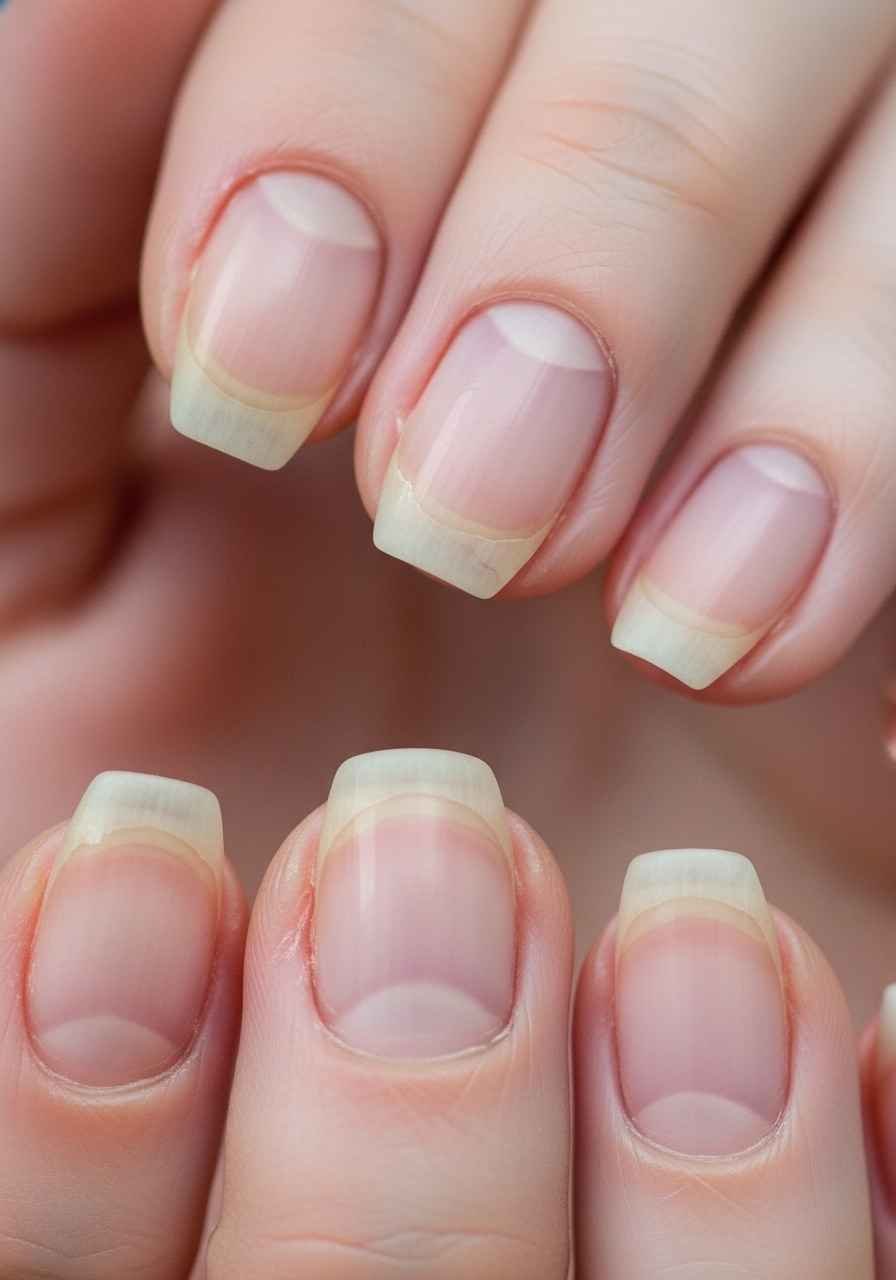
Acrylics can temporarily weaken your natural nails, especially after repeated use.
Effects include:
- Thinner nail structure
- Increased flexibility or bending
- Reduced protection against pressure
This makes nails more sensitive even after the acrylics are removed.
Allergic Reactions to Products
Sometimes the pain is not just physical damage but also a reaction.
Possible causes:
- Acrylic monomers or chemicals
- Nail glue sensitivity
- Gel or primer irritation
Symptoms may include burning, itching, or throbbing pain.
Infection from Improper Application
If moisture gets trapped under acrylic nails, it can lead to infection.
Signs include:
- Persistent pain
- Yellow or green discoloration
- Swelling or warmth around the nail
This needs proper care and sometimes medical attention.
How to Reduce Pain After Acrylic Damage
If your nails hurt, gentle care is important.
You can:
- Keep nails clean and dry
- Apply nourishing cuticle oil
- Avoid further pressure or nail products for a while
- Use mild moisturizers to support healing
Letting your nails rest is the best recovery method.
How to Prevent It Next Time
To avoid future pain:
- Always go to a skilled nail technician
- Never peel off acrylics at home
- Give your nails breaks between applications
- Choose proper removal methods only
Healthy nails always start with gentle handling.
Final Thoughts
Nail pain after acrylic disasters usually comes from over-filing, improper removal, pressure on the nail bed, or irritation from chemicals. The good news is that with proper care and a recovery period, your nails can heal and return to normal strength.
Take it slow, treat your nails gently, and give them time to recover before your next manicure.