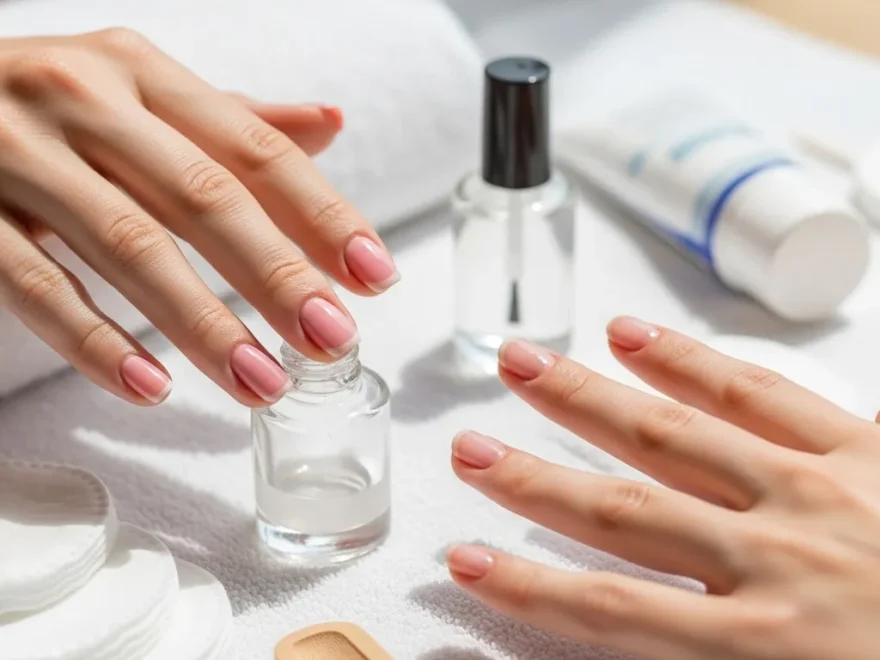
You have probably heard it a hundred times. Give your nails a break. Let them breathe. But have you ever stopped to wonder whether nails actually breathe in any meaningful way and whether taking polish off really makes a difference to their health? The answer is more interesting and more practical than most people expect. Understanding what is actually happening to your nail when it is constantly under polish is what makes you genuinely want to give it that break rather than feeling like you are missing out on a manicure for no clear reason. If you’re also considering nail shapes for short nail beds, choosing the right shape can help create a more balanced, elongated look while still keeping your nails healthy and well cared for.
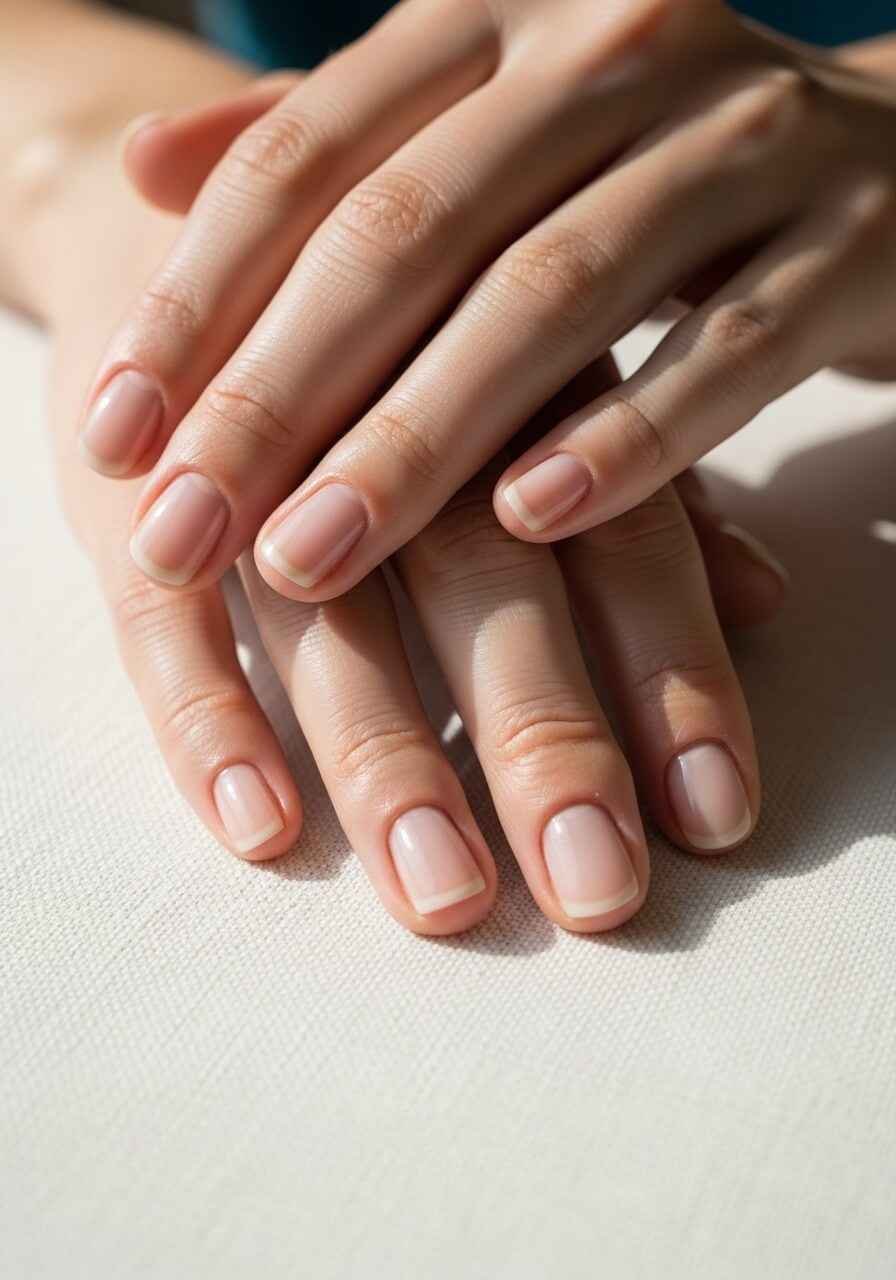
Here is the truth about why nails need to breathe after polish and exactly what to do during that break to make it genuinely count.
Do Nails Actually Breathe and What Really Happens Under Polish
The idea that nails breathe the way skin does is technically not accurate. Nails do not have pores that open and close or take in oxygen the way skin does. The nail plate itself is dead tissue, made almost entirely of a hardened protein called keratin, and it receives its nutrients and moisture from the nail bed and matrix beneath it rather than from the air above it.
So if nails do not actually breathe, why does the break from polish matter so much? The answer lies not in oxygen but in moisture, hydration, and the chemical exposure that comes with repeated polish application and removal.
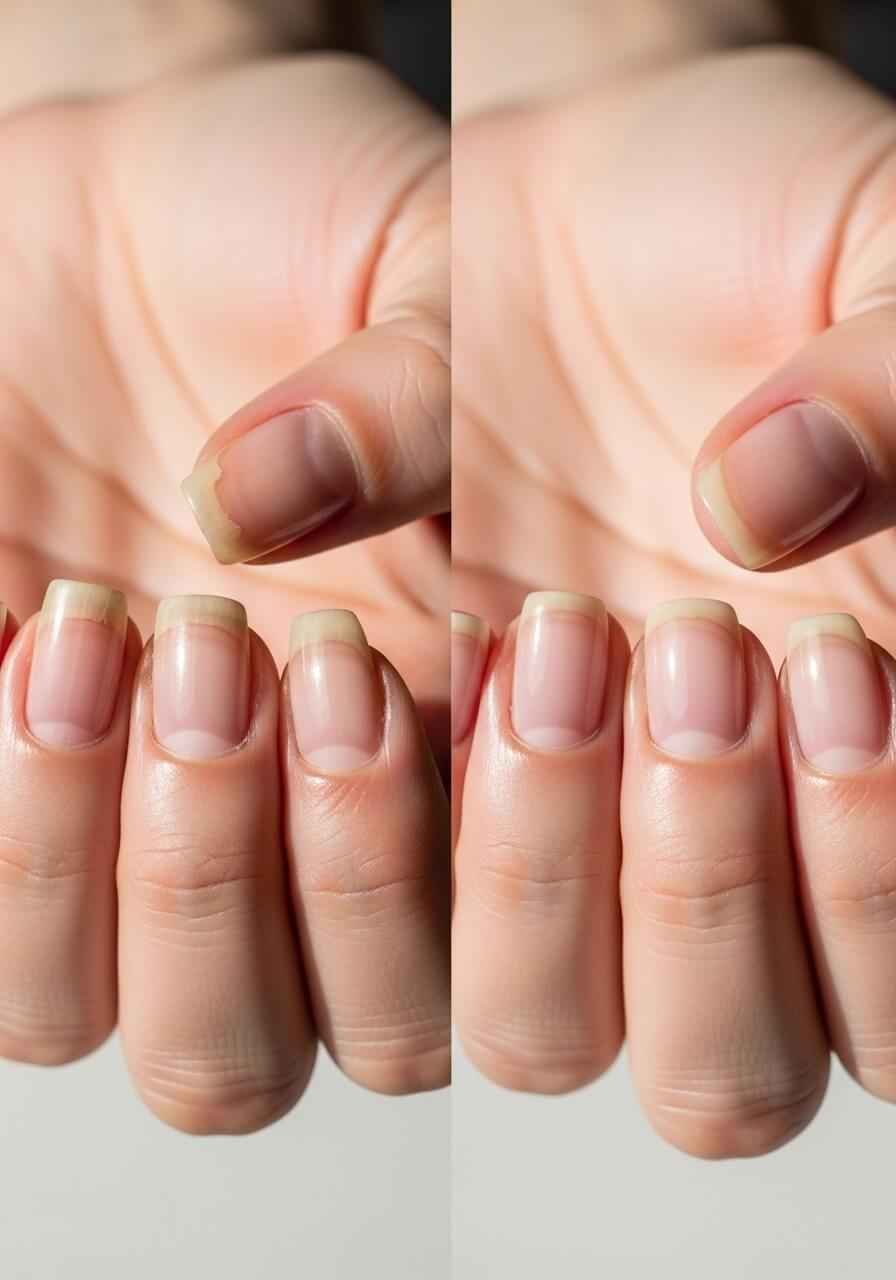
Nail polish, particularly regular polish and gel formulas, creates a seal over the nail plate that traps the nail underneath for days or weeks at a time. During that time the nail cannot regulate its own moisture levels naturally. Moisture from the nail bed that would normally move through the nail and evaporate is instead trapped and then stripped away abruptly each time the polish is removed with acetone or acetone-based remover.
This repeated cycle of moisture being locked in and then stripped out leaves the nail plate progressively drier, more brittle, and more prone to peeling and breakage with every application and removal cycle. Over time, nails that are constantly under polish without breaks become noticeably thinner, more fragile, and more discolored than nails that are given regular recovery time.
The chemicals in nail polish and particularly in nail polish remover compound this damage. Acetone dissolves the natural lipids within the nail plate that are responsible for keeping it flexible and resilient. Without those lipids, the nail becomes stiff and dry which is when it starts cracking and breaking rather than flexing as it should.
What Actually Happens to Your Nails During a Polish-Free Break
A polish-free break does several genuinely important things for nail health that no treatment applied on top of polish can replicate.
The most significant benefit is that the nail plate is able to rebalance its moisture content without the interference of a product layer sitting on top of it. The natural moisture exchange between the nail bed and the nail plate resumes, the nail becomes more flexible, and the dry, brittle texture that developed under constant polish use gradually improves.
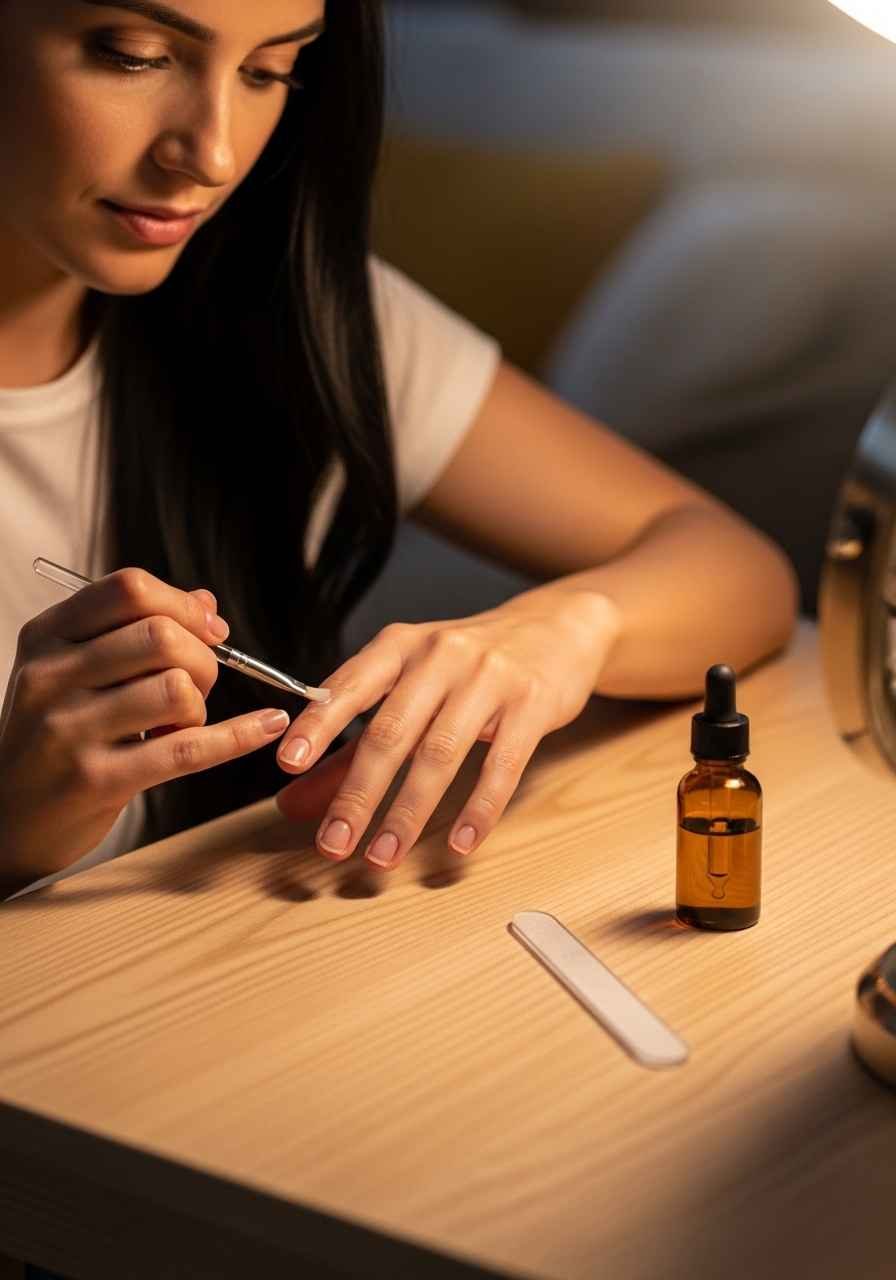
Yellowing and staining that develop under dark or heavily pigmented polishes used without a proper base coat are able to fade during a break. The nail plate is not permanently stained in most cases and exposure to light and air combined with gentle buffing and consistent cuticle oil use during the break period gradually restores a cleaner, clearer appearance to the nail.
The cuticle and surrounding skin, which are also affected by the constant application and removal process, recover significantly during a break. Regular cuticle oil applied generously during a polish-free period delivers deep nourishment to the nail matrix that directly supports the quality and thickness of new nail growth coming through.
A break also gives you the opportunity to properly assess the actual condition of your nails without a layer of color obscuring what is happening underneath. Ridges, peeling, thinning, and discoloration are all much easier to identify and address when the nails are bare. Treating a problem you can clearly see produces much better results than trying to address it through layers of product.
How to Make the Most of Your Nail Break
Taking a break from polish is only as beneficial as the care you put into the nails during that time. A polish-free nail that is neglected produces limited recovery compared to one that is actively nourished throughout the break period.
Apply cuticle oil every evening without exception during your break. The nail matrix, the living tissue at the base of the nail that produces all new nail growth, sits just beneath the skin at the cuticle. Nourishing this area consistently during a break directly improves the quality, thickness, and strength of the new nail growing through. Jojoba oil, vitamin E, and sweet almond oil are among the most effective options for this purpose.
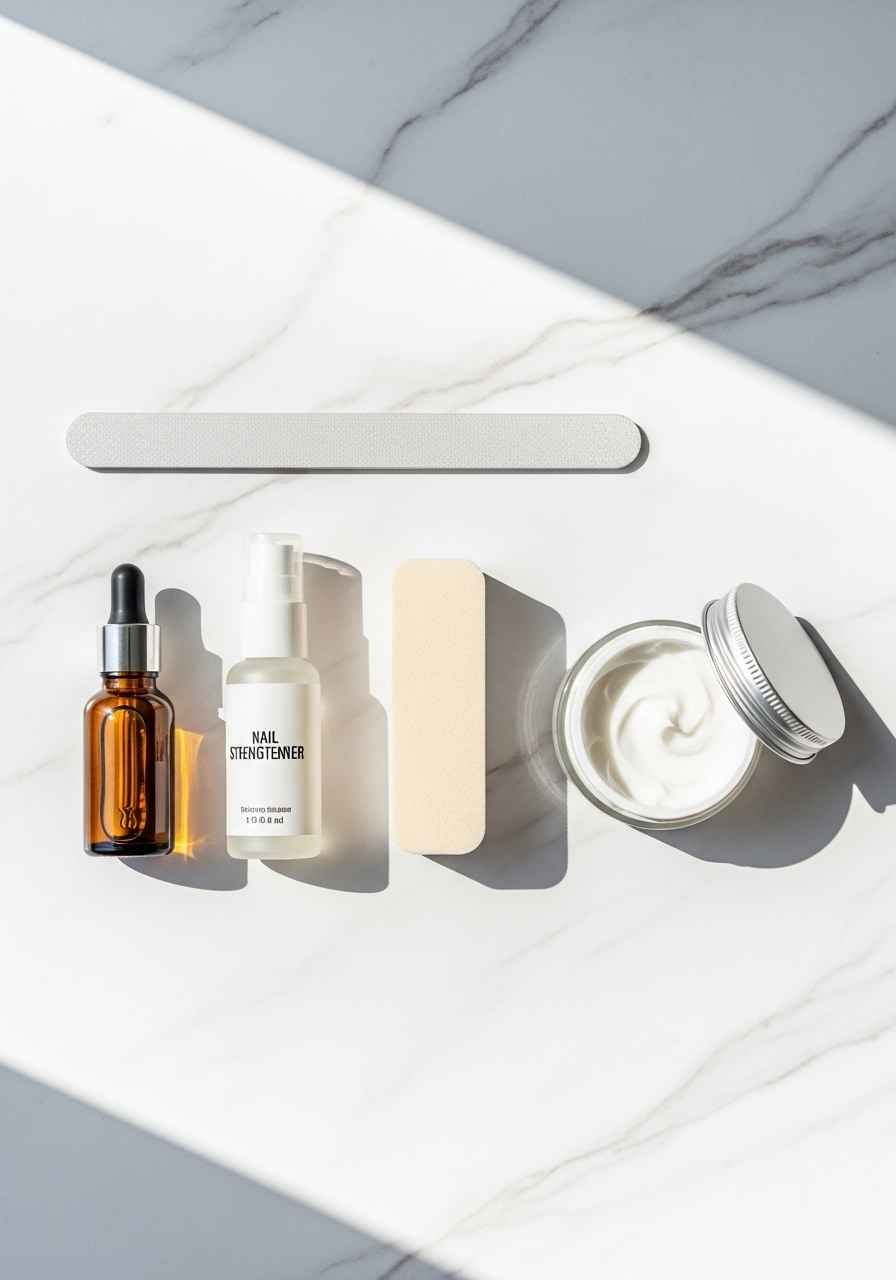
Use a clear nail strengthener during the break rather than leaving the nails completely bare if they are in a fragile state. A strengthener adds a protective layer that reduces bending and breakage while the natural nail recovers underneath. It is different from polish in that its purpose is therapeutic rather than decorative and it does not create the same moisture-sealing effect that colored polish does.
Keep nails trimmed to a manageable length during the recovery period. Short nails during a break flex and bend far less than longer ones which reduces the mechanical stress on an already compromised nail plate. The new growth coming through at a shorter length is stronger and the temptation to pick or peel at fragile longer nails is significantly reduced when they are kept neat and short.
Moisturize the hands and nails consistently throughout the day rather than only at bedtime. Every time you wash your hands, the water and soap strip some moisture and natural oil from the nail and surrounding skin. Following every hand wash with a small amount of hand cream or cuticle oil keeps that moisture loss from accumulating into the dryness and fragility that leads to breakage.
Frequently Asked Questions
How long should I let my nails breathe between manicures?
A minimum of one to two weeks between manicures is a good starting point for nails in reasonable condition. For nails that are visibly thin, peeling, or discolored from extended polish wear, a break of four to six weeks allows enough time for meaningful recovery to take place. During this period, consistent cuticle oil application and a clear strengthener accelerate the recovery significantly, so the break is genuinely productive rather than just a waiting period.
Does gel polish damage nails more than regular polish?
Gel polish tends to create more cumulative damage than regular polish over time, primarily because of how it is removed. Soaking nails in acetone to break down the gel formula is significantly more dehydrating to the nail plate than removing regular polish with a quick wipe. The removal process for gel also sometimes involves filing or buffing the surface of the nail, which adds a layer of mechanical thinning to the chemical dehydration. When gel is removed correctly and followed by a proper recovery routine, including cuticle oil and a break from further applications, the damage is manageable. Peeling gel off rather than soaking it is the single most damaging nail habit associated with gel polish.
Will my nails actually recover if I give them a break?
Yes, in most cases, nails recover meaningfully from the effects of extended polish wear when given a proper break, combined with consistent nourishing care. The nail plate that exists right now cannot repair itself, but new nail growing from the matrix comes through in noticeably better condition when the matrix is well nourished, and the existing nail is no longer being repeatedly dehydrated by polish and remover. Most people see visible improvement in new nail growth within four to six weeks of a consistent recovery routine.
Can I speed up nail recovery during a polish break?
Yes, several things accelerate recovery meaningfully. Consistent nightly cuticle oil application is the single most impactful step. A biotin supplement taken daily supports the production of stronger new nail growth from the matrix over the following weeks and months. Wearing rubber gloves for all washing and cleaning tasks reduces the ongoing moisture stripping that slows recovery. Switching to acetone-free remover for any interim polish removal during the break reduces chemical stress on the nail. Together, these steps produce noticeably faster and more complete recovery than simply leaving the nails bare without any active care.
Give Your Nails the Break They Have Earned
Your nails do not breathe in the literal sense, but they absolutely need time away from polish to rebalance, recover, and come back stronger than before. The break is not a sacrifice. It is an investment in nail health that makes every future manicure look better and last longer. Commit to one proper recovery period with consistent cuticle oil and strengthener, and the difference in your nail condition on the other side will make you want to build regular breaks into your nail routine permanently. Save this guide and start your nail recovery today.